lucky casino recension: en guide till tryggt spelande 2026
lucky casino recension har blivit allt viktigare i en tid där transparens och pålitlighet är avgörande. Genom att fokusera på lucky casino svenska kan vi se hur väl en plattform lever upp till sina löften gentemot spelarna.
See also:
- Allt om lucky casino mobil: Från Start till Mål
- Licensvillkor för lucky casino svenska – vad du bör veta
- Bonusvillkor och omsättningskrav hos lucky casino
- lucky casino i korthet
- Skärmdumpar och helhetsintryck av lucky casino
- Svar på dina frågor om lucky casino mobil
- lucky casino trygghet, licens och ansvarsfullt spelande
Allt om lucky casino mobil: Från Start till Mål
The word ‘bra’ is a deceptively simple term that carries a profound weight in the history of fashion, engineering, and social norms. At its core, a bra is a form-fitting undergarment designed to support and shape the breasts, but its evolution from a restrictive corset to a symbol of liberation and personal expression reveals much about changing attitudes toward the female body. The earliest known predecessors of the modern bra date back to ancient civilizations; for instance, Minoan women wore a band of cloth that lifted and exposed the breasts, while Roman women used a ‘strophium’—a simple band of leather or linen—to restrain the bust during athletic activities. However, it was not until the late 19th century that the garment we recognize today began to take shape. In 1889, Herminie Cadolle, a French corsetière, introduced a two-piece undergarment that separated the bodice from the corset, calling it the ‘corselet gorge.’ This innovation marked a decisive break from the rigid steel-boned corsets that had long constricted women’s waists and pushed the bust upward, often causing respiratory and digestive issues. Cadolle’s design, which she patented in 1889, allowed for greater freedom of movement while still providing support, and it quickly gained popularity among women who sought relief from the physical toll of corsetry. The term ‘brassiere’ itself was popularized by the American socialite Mary Phelps Jacob, who in 1913 sewed together two silk handkerchiefs and a ribbon for a sheer evening gown, creating a lightweight alternative to the corset. She patented her design in 1914, and the name ‘brassiere’—derived from the French for ‘upper arm’ or ‘bodice’—was adopted by the fashion industry. Over the ensuing decades, the bra underwent countless iterations: the flapper-era ‘bandeau’ flattened the chest for the boyish silhouette of the 1920s; the 1940s introduced the ‘bullet bra’ with its pointed, conical cups, famously worn by actresses like Jane Russell; and the 1960s brought the ‘braless’ movement, as second-wave feminists burned bras in protest against objectification and restrictive beauty standards. Yet the bra’s story is not merely one of style; it is also a tale of technological innovation. The invention of nylon and spandex in the mid-20th century revolutionized bra construction, allowing for stretch, breathability, and a closer fit that conformed to the body’s natural contours. Today, bras come in an astonishing array of types—underwire, wireless, push-up, minimizer, sports, maternity, and bralettes—each engineered for specific activities, body shapes, and aesthetic preferences. The sports bra, for example, emerged in the 1970s when female athletes, frustrated by the lack of supportive options, repurposed jockstraps and elastic bands to create a garment that minimized breast movement during high-impact exercise. This innovation not only improved performance but also contributed to the broader acceptance of women in competitive sports. Moreover, the bra has become a canvas for cultural and political expression: from the ‘Free the Nipple’ campaign to the rise of gender-neutral undergarments, designers are increasingly challenging the binary assumptions embedded in lingerie. Size inclusivity has also become a pressing issue, with brands like ThirdLove and Savage X Fenty offering extended sizes and diverse models to reflect real bodies. The manufacturing process itself is a marvel of precision, involving dozens of pattern pieces, specialized sewing techniques, and rigorous quality control to ensure that a garment weighing mere ounces can support pounds of tissue without chafing or sagging. Each bra is a small feat of biomechanical engineering, with underwires that redistribute pressure, straps that distribute load across the shoulders, and hook-and-eye closures that adjust to changing measurements. The environmental impact of bra production, however, is a growing concern: most bras contain synthetic fibers that do not biodegrade, and the sheer volume of discarded lingerie contributes to textile waste. In response, some companies are experimenting with recyclable materials and take-back programs, while others are designing modular bras that can be easily repaired. The cultural significance of the bra is equally complex: it can be a tool of empowerment, a marker of sexuality, a source of discomfort, or a symbol of liberation. For many women, the act of taking off a bra at the end of the day is a ritual of release, a shedding of societal expectations. Yet for others, wearing a bra is a choice that affirms their identity, whether through lace, padding, or minimalist design. The bra’s future will likely be shaped by advances in smart textiles—imagine a bra that adjusts its support based on movement or temperature—and by a continued push toward body positivity and sustainability. As we reflect on this humble garment, we recognize that it is more than just fabric and wire; it is a mirror of our values, a testament to human ingenuity, and an intimate companion in the daily lives of billions. The next time you reach for a bra, consider the long and storied history that led to that simple act, and the countless hands—designers, seamstresses, engineers, and wearers—who have contributed to its evolution. From ancient bands to futuristic smart fabrics, the bra endures as a remarkable blend of function, fashion, and identity, always adapting to the needs and desires of those who wear it.
hajper betting — vinn på sport | hajper casino
Licensvillkor för lucky casino svenska – vad du bör veta
Licensing is a complex and multifaceted legal mechanism that governs the use, distribution, and protection of intellectual property, creative works, software, and various other assets. At its core, a license is a formal permission granted by a rights holder (the licensor) to another party (the licensee) to engage in activities that would otherwise be restricted by law, such as reproduction, modification, public performance, or commercial exploitation. This permission is typically documented in a licensing agreement, which outlines the specific terms, conditions, scope, duration, territory, and any financial considerations such as royalties or one-time fees. The concept of licensing spans numerous domains, including but not limited to copyright, patents, trademarks, trade secrets, and even real property or personal services. In the realm of software, licensing dictates how end users can install, run, copy, modify, or redistribute a program, with common models including proprietary licenses, open-source licenses like the GNU General Public License (GPL), MIT License, Apache License, and Creative Commons for creative content. Each license type carries distinct obligations and permissions; for instance, copyleft licenses require derivative works to be released under the same license, whereas permissive licenses allow more freedom with fewer restrictions. Beyond software, licensing is pivotal in industries such as music, film, publishing, pharmaceuticals, and franchising, where it enables creators and inventors to monetize their innovations while maintaining control over their use. A well-drafted license agreement must address issues like intellectual property ownership, warranties, indemnification, limitation of liability, termination clauses, and dispute resolution mechanisms, often including arbitration or choice-of-law provisions. Moreover, licensing can be exclusive, nonexclusive, or sole, with exclusivity granting the licensee the sole right to use the asset within a defined market, often commanding higher fees. The process of licensing also involves due diligence, where both parties assess the validity and enforceability of the underlying intellectual property, as well as any existing encumbrances or prior licenses. In the digital age, licensing has evolved to address challenges such as cloud computing, software-as-a-service (SaaS), open application programming interfaces (APIs), and data licensing, where data sets are treated as licensable assets with specific use restrictions. Furthermore, international licensing introduces complexities around cross-border enforcement, differing legal regimes, and compliance with export controls or data protection regulations like the General Data Protection Regulation (GDPR). The economic impact of licensing is substantial, generating billions in revenue annually and fostering innovation by allowing creators to share their work while retaining legal protections. However, licensing also carries risks, including the possibility of infringement, breach of contract, or inadvertent waiver of rights, necessitating careful negotiation and legal review. For individuals and small businesses, understanding licensing is crucial to avoid unintentional violations, such as using copyrighted images without permission or incorporating open-source code without complying with its license terms. Educational institutions and research organizations often rely on licensing agreements to access proprietary databases, software tools, or patented technologies for academic purposes, with special academic licenses sometimes offering reduced fees or broader usage rights. In the entertainment industry, licensing agreements cover everything from sample clearances in music to merchandising rights for film franchises, with each negotiation involving complex royalty structures based on sales, streams, or box office performance. The rise of user-generated content platforms has also spotlighted licensing, as users upload videos, music, or images that may contain third-party copyrighted material, prompting platforms to implement content ID systems and licensing partnerships. Additionally, patent licensing is particularly prevalent in technology sectors, where companies cross-license their patent portfolios to avoid litigation and promote interoperability, as seen in the smartphone industry where standard-essential patents are licensed on fair, reasonable, and non-discriminatory (FRAND) terms. Trade secret licensing, on the other hand, is more confidential, with agreements including strict non-disclosure clauses and limited access to proprietary know-how, often used in manufacturing processes or chemical formulas. Franchise licensing is a distinct category where the franchisor licenses its brand, business model, and operational procedures to franchisees, who pay initial fees and ongoing royalties in exchange for the right to operate under the established name, as exemplified by fast-food chains and retail stores. Moreover, licensing extends to public sector entities, such as government agencies licensing software for public use or municipalities entering into licensing agreements for the use of public artworks or landmarks. The legal framework of licensing is rooted in statutory law, case law, and international treaties, including the Berne Convention for copyright, the Paris Convention for patents, and the Agreement on Trade-Related Aspects of Intellectual Property Rights (TRIPS). Enforcement of license terms can occur through civil litigation, arbitration, or administrative actions, with remedies including injunctions, damages, or account of profits. In some cases, licensing disputes arise from ambiguous language, scope creep, or failure to renew, highlighting the importance of precise drafting and clear communication. Furthermore, the emergence of blockchain technology and smart contracts has begun to influence licensing, enabling automated royalty payments and transparent usage tracking through decentralized ledgers. Open innovation models, such as patent pools or open-source hardware, also rely on licensing to facilitate collaboration while protecting contributors’ rights. For many startups, licensing can be a strategic tool to generate early revenue without the capital-intensive process of manufacturing or distribution, allowing them to license their technology to established companies. Conversely, large corporations may license in external innovations to complement their portfolios, reducing research and development costs. The negotiation of licensing terms often involves balancing commercial objectives with legal risks, requiring expertise in valuation, market analysis, and competitive positioning. Additionally, the concept of fair use or fair dealing provides limited exceptions to copyright licensing, allowing certain uses without permission, though the boundaries are often litigated. In the realm of data, licensing has become increasingly critical as companies monetize user data or third-party datasets, with agreements specifying permissible uses such as analytics, machine learning training, or resale. The COVID-19 pandemic accelerated the adoption of digital licensing models, as remote work and online education increased reliance on licensed software and content, also highlighting the need for flexible licensing terms to accommodate fluctuating usage. Environmental licensing, though distinct from intellectual property, is another form of regulatory permission, where businesses must obtain licenses to operate facilities that emit pollutants, demonstrating the broader application of the term. In the context of sports, licensing covers broadcasting rights, athlete likenesses, and merchandise, with leagues and teams negotiating multi-billion-dollar deals with media networks and sponsors. Moreover, the concept of compulsory licensing exists in certain jurisdictions, allowing governments to authorize use of a patent without the owner’s consent under specific circumstances, such as public health emergencies, as seen with generic drug production. The process of obtaining a license can be time-consuming and costly, involving application fees, legal counsel, and sometimes regulatory approval, particularly in industries like telecommunications where spectrum licenses are auctioned. Once a license is granted, the licensee must maintain compliance with ongoing obligations, such as reporting sales, paying royalties, and adhering to quality standards, with audits often conducted by the licensor to verify accuracy. The termination of a license can occur for various reasons, including breach of terms, bankruptcy, or expiration, and may trigger obligations to return or destroy materials. In the digital environment, end-user license agreements (EULAs) are commonly presented as clickwrap or browsewrap agreements, with courts examining their enforceability based on notice and consent. The rise of open-source software has challenged traditional licensing models, as communities develop and share code under licenses that ensure freedom to use, study, modify, and distribute, with organizations like the Open Source Initiative defining what qualifies as an open-source license. Similarly, Creative Commons licenses offer a spectrum of permissions for creative works, allowing creators to choose from options like attribution, non-commercial, share-alike, or no-derivatives. The interplay between licensing and innovation is complex; while overly restrictive licensing can stifle creativity, overly permissive licensing may reduce incentives for creators. Therefore, policymakers and industry stakeholders continuously debate optimal licensing frameworks, such as the recent discussions around AI-generated content and the licensing of training data. In the future, licensing is likely to evolve with technological advancements, including the Internet of Things (IoT), where devices may require embedded software licenses, and with the growth of virtual and augmented reality content, which will necessitate new licensing models. Additionally, the increasing importance of sustainability and environmental, social, and governance (ESG) factors may influence licensing practices, with companies requiring licenses to include clauses about ethical use or environmental impact. For legal professionals, licensing is a specialized practice area requiring deep knowledge of intellectual property law, contract law, and industry-specific regulations, and it often involves cross-border transactions that require coordination with foreign counsel. For creators and inventors, understanding licensing empowers them to protect their work and maximize its commercial potential, whether through traditional licensing deals or alternative models like crowdfunding or subscription-based access.
En recension av lucky casino recension bör nämna kundsupportens kvalitet.
Bonusvillkor och omsättningskrav hos lucky casino
- kr2000 i bonus med 500 gratissnurr
- 32% upp till kr2000 i bonus
- kr100 + 75 gratissnurr
- 30x omsättningskrav inom 21 dagar
- 45x insats inom 30 dagar
- 35x spelomsättning
lucky casino i korthet
| Feature | Details |
|---|---|
| Restricted countries | Sweden, USA, UK |
| Populär slot | Wolf Gold med hög RTP |
| Progressiva jackpottar | Ja, med 215,000 top vinster |
| Bonus omsättning | 40x på 300 spins |
| VIP program | Exclusive & tailored |
Skärmdumpar och helhetsintryck av lucky casino
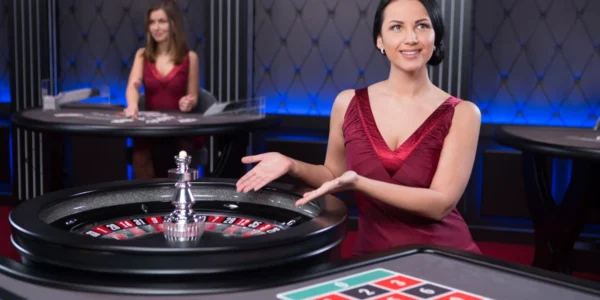
razor shark casino — topputrustning | razor shark casino
Svar på dina frågor om lucky casino mobil
Är lucky casino en legitim och licensierad operatör?
Ja, lucky casino är en licensierad operatör med en giltig spellicens från Spelinspektionen. Detta innebär att casinot följer strikta regler för säkerhet och rättvis spel.
Hur vet jag att lucky casino inte är en bluff?
lucky casino har en stark meritlista med positiva recensioner från spelare och oberoende granskningar. Casinot använder dessutom krypterad teknik för att skydda dina personuppgifter och transaktioner.
online casino utan insättningskrav 2026 — topplista och recensioner
Vad gör jag om jag har problem med ett uttag på lucky casino?
Om du upplever problem med uttag bör du först kontakta lucky casino:s kundsupport. De flesta ärenden löses snabbt, men om du inte får hjälp kan du vända dig till din spellicensmyndighet för vidare assistans.
Hur når jag kundsupporten på lucky casino?
Du kan nå kundsupporten via livechatt, e-post eller telefon. Supporten är tillgänglig dygnet runt och svarar vanligtvis inom några minuter.
crypto casino no deposit bonus 2026 — crypto casino no deposit kod
Finns det några kända klagomål mot lucky casino?
Som med alla operatörer kan det förekomma enstaka klagomål, men lucky casino har en låg andel olösta tvister. De flesta problem löses i dialog med kunden, och casinot är känt för att vara lyhört för feedback.
Spelare som söker lucky casino recension bör även titta på mobilanpassning.
lucky casino trygghet, licens och ansvarsfullt spelande
Spel är endast för personer som fyllt 18 år. lucky casino är licensierat av Spelinspektionen i Sverige. För dig som behöver stöd finns Spelpaus.se, där du kan stänga av dig från allt licensierat spel, samt Stödlinjen på 020-81 91 00 som ger kostnadsfri rådgivning. Kom ihåg att sätta upp egna insättnings- och tidsgränser innan du spelar – spela endast för nöjes skull och aldrig för att vinna tillbaka förluster. Spel ska vara en positiv upplevelse, inte ett sätt att tjäna pengar.
casino bitcoin 2026 — bästa kryptoalternativen
